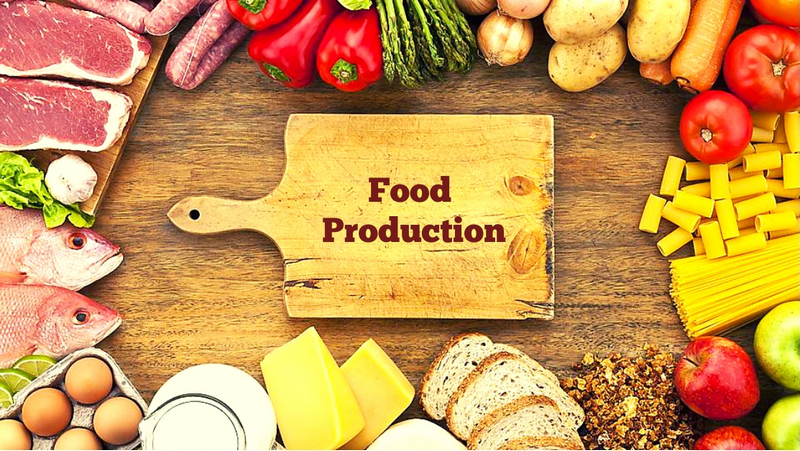
The food industry is a complex, global network of diverse businesses that supplies most of the food consumed by the world’s population. The food industry today has become highly diversified, with manufacturing ranging from small, traditional, family-run activities that are highly labour-intensive, to large, capital-intensive and highly mechanized industrial processes. Many food industries depend almost entirely on local agriculture, animal farms, produce, and/or fishing.
The food industry includes:
Agriculture: raising crops, livestock, and seafood. Agricultural economics.
Manufacturing: agrichemicals, agricultural construction, farm machinery and supplies, seed, etc.
Food processing: preparation of fresh products for market, and manufacture of prepared food products
Marketing: promotion of generic products (e.g., milk board), new products, advertising, marketing campaigns, packaging, public relations, etc.
Wholesale and food distribution: logistics, transportation, warehousing
Foodservice (which includes catering)
Grocery, farmers' markets, public markets and other retailing
Regulation: local, regional, national, and international rules and regulations for food production and sale, including food quality, food security, food safety, marketing/advertising, and industry lobbying activities
Education: academic, consultancy, vocational
Research and development: food science, food microbiology, food technology, food chemistry, and food engineering
Financial services: credit, insurance
Areas of research such as food grading, food preservation, food rheology, food storage directly deal with the quality and maintenance of quality overlapping many of the above processes.
Only subsistence farmers, those who survive on what they grow, and hunter-gatherers can be considered outside the scope of the modern food industry.
Leave a Reply